10 Healthy Habits That Can Transform Your Life in One Year
Category: Health
Reading Time: 9–11 Minutes
A healthier life is rarely created by one dramatic decision.
It is built through small choices repeated consistently.
You do not need to follow a perfect diet, spend hours in the gym, or completely change your life overnight. In fact, trying to change everything at once often leads to exhaustion and quitting.
A better approach is to build a few healthy habits that fit into your real life.
When you repeat those habits for an entire year, the results can be powerful. You may notice improvements in your energy, strength, sleep, mood, focus, confidence, and overall well-being.
Here are 10 healthy habits that can help transform your life over the next 12 months.
1. Walk Every Day
Walking is one of the simplest ways to become more active.
You do not need a gym membership or complicated equipment. You only need a safe place to walk and a comfortable pair of shoes.
Regular physical activity supports cardiovascular health, weight management, mental well-being, strength, and mobility. Federal physical-activity guidance recommends that adults work toward at least 150 minutes of moderate-intensity aerobic activity each week, along with muscle-strengthening exercise on at least two days. However, even smaller amounts of movement can provide benefits when you are just getting started.
How to Begin
Start with:
- A 10-minute walk after dinner
- A short walk during lunch
- Parking farther from the entrance
- Walking while listening to music or a podcast
- Adding five minutes every week
You do not have to reach a specific step count on the first day.
The goal is to move more often and gradually build endurance.
What One Year Could Look Like
A 20-minute walk five days a week adds up to more than 86 hours of movement over a year.
Small walks become a major investment when repeated consistently.

2. Strength Train at Least Twice a Week
Walking is excellent for cardiovascular health, but your body also needs resistance.
Strength training challenges your muscles and helps improve strength, balance, physical function, and the ability to perform everyday tasks. National guidelines recommend muscle-strengthening activity involving the major muscle groups on at least two days each week.
You can strength train using:
- Dumbbells
- Resistance bands
- Gym machines
- Barbells
- Bodyweight exercises
Beginner-friendly exercises include:
- Squats
- Wall push-ups
- Glute bridges
- Seated rows
- Shoulder presses
- Lunges
- Planks
Keep It Simple
A complete beginner routine does not need 20 exercises.
Choose five or six basic movements, train your entire body, and focus on proper technique.
As the exercises become easier, gradually increase the resistance, repetitions, or number of sets.
Consistency matters more than complexity.
3. Build Most Meals Around Nutritious Foods
Healthy eating does not require a perfect menu.
A balanced eating pattern generally includes a variety of vegetables, fruits, protein foods, whole grains, healthy fats, and other nutrient-rich choices while limiting highly processed foods, excessive sodium, saturated fat, and added sugars.
A simple meal could include:
- A source of protein
- A vegetable or fruit
- A whole-grain or starchy carbohydrate
- A small portion of healthy fat
For example:
- Chicken, rice, and vegetables
- Beans, potatoes, and greens
- Salmon, quinoa, and broccoli
- Eggs, whole-grain toast, and fruit
- Greek yogurt, berries, and nuts
Use the “Add Before You Remove” Approach
Instead of beginning with a long list of foods you are forbidden to eat, start by adding nutritious foods.
Add:
- One vegetable to dinner
- Fruit with breakfast
- A protein source to each meal
- A high-fiber side
- A home-cooked meal one extra day each week
As healthier choices become normal, less-helpful choices often begin taking up less space naturally.
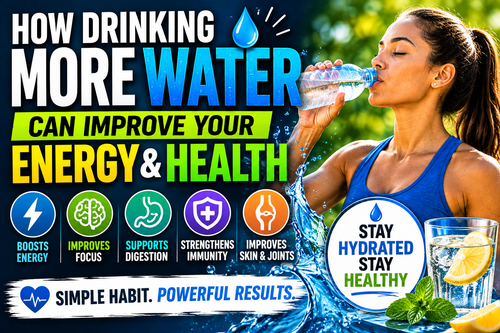
4. Drink Water Regularly
Water supports normal body functions and is often a better everyday choice than sugar-sweetened drinks.
Dehydration may contribute to fatigue, headaches, poor concentration, and reduced exercise performance. Individual fluid needs vary based on body size, climate, activity level, diet, medication use, and health conditions.
Easy Ways to Drink More Water
- Keep a reusable bottle nearby.
- Drink water after waking up.
- Have water with each meal.
- Drink before, during, and after exercise.
- Flavor water with lemon, lime, cucumber, or berries.
- Replace one sugary drink each day with water.
Do not force yourself to drink an extreme amount.
People with kidney, heart, or certain other medical conditions may need individualized fluid guidance from a healthcare professional.
5. Get Enough Quality Sleep
Sleep is not wasted time.
It is when your body and brain recover.
Adults generally need at least seven hours of sleep, although individual needs vary by age and health. Adequate sleep supports attention, memory, emotional well-being, heart health, metabolism, and healthy body weight.
Build a Better Sleep Routine
Try to:
- Go to bed and wake up around the same time.
- Keep the bedroom cool, dark, and quiet.
- Turn off electronic devices before bed.
- Avoid heavy meals close to bedtime.
- Limit caffeine late in the day.
- Create a relaxing nighttime routine.
A simple routine could include:
- Turn off the television.
- Prepare for the next day.
- Dim the lights.
- Read or stretch for 10 minutes.
- Go to bed at a consistent time.
Speak with a healthcare provider when you regularly struggle to sleep, wake repeatedly, snore heavily, stop breathing during sleep, or remain exhausted despite spending enough time in bed.
6. Reduce Highly Processed Foods Gradually
You do not need to eliminate every snack or convenience food.
The goal is to reduce how often highly processed foods replace more nutritious meals.
Highly processed foods often contain large amounts of added sugar, sodium, saturated fat, or calories while providing less fiber and fewer nutrients.
Begin With Simple Swaps
Try replacing:
- Sugary cereal with oatmeal and fruit
- Chips with popcorn or nuts
- Soda with water or unsweetened tea
- Fast food with a simple prepared meal
- Candy with fruit and yogurt
- Processed meat with beans, fish, poultry, or another suitable protein
You do not need to make every swap at once.
Choose one category, improve it, and continue building from there.
7. Manage Stress Before It Manages You
Stress is a normal part of life, but constantly operating under high stress can affect sleep, eating habits, mood, concentration, and relationships.
You may not be able to remove every stressful situation, but you can build healthier ways to respond.
Healthy Stress-Management Habits
Consider:
- Walking outside
- Deep breathing
- Prayer or meditation
- Journaling
- Stretching
- Talking with someone you trust
- Spending time away from your phone
- Listening to calming music
- Breaking large problems into smaller steps
Even five quiet minutes can help interrupt the cycle of constant stimulation.
Create a Daily Reset
Choose one activity that tells your mind the workday is ending.
It could be:
- A walk after work
- Changing into comfortable clothes
- Sitting quietly for five minutes
- Taking a shower
- Writing down tomorrow’s priorities
Your reset does not solve every problem.
It helps prevent stress from following you through the entire day.
8. Protect Your Health With Preventive Care
Many people only think about their health when something feels wrong.
Preventive care can help identify problems earlier and support long-term health.
The CDC recommends keeping up with appropriate health appointments, screenings, testing, vaccinations, dental care, and discussions about family health history.
Depending on your age, history, and risk factors, preventive care may include:
- Blood-pressure checks
- Cholesterol testing
- Diabetes screening
- Cancer screenings
- Dental exams
- Vision exams
- Vaccinations
- Medication reviews
- Mental-health discussions
Ask your healthcare provider which screenings are appropriate for you.
Do not rely on social media or a generic checklist to determine your personal medical needs.
9. Reduce Tobacco and Excessive Alcohol Use
Avoiding tobacco is one of the most important steps a person can take to protect long-term health. Tobacco use increases the risk of serious conditions, including cancer, heart disease, and lung disease.
Excessive alcohol use can also increase the risk of high blood pressure, liver disease, stroke, certain cancers, injuries, and other health problems. Choosing not to drink is a valid option, and people who do not drink do not need to begin for health reasons.
Start With an Honest Review
Ask yourself:
- How often am I smoking, vaping, or drinking?
- Is it affecting my sleep, energy, money, or relationships?
- Do I use it mainly when stressed?
- Have I tried to reduce it but struggled?
Professional support, counseling, medication, and structured quit programs may help. Seeking help is a sign that you are taking your health seriously.
10. Track Your Habits Without Obsessing
What gets tracked becomes easier to understand.
You do not have to record every calorie, heartbeat, or ounce of water. A simple habit tracker can show whether you are following the behaviors that matter most.
Track items such as:
- Days walked
- Strength workouts completed
- Hours slept
- Home-cooked meals
- Water intake
- Preventive appointments
- Tobacco-free days
- Stress-management sessions
Review Weekly, Not Emotionally
Do not judge yourself based on one bad day.
At the end of each week, ask:
- What went well?
- What was difficult?
- Which habit needs more support?
- What can I simplify?
- What is one improvement for next week?
Tracking is supposed to provide information—not punishment.
How to Make These Habits Last for One Year
Knowing what to do is not the hardest part.
Continuing is.
Here are a few principles that can help.
Start With Two Habits
Do not attempt all 10 on the same day.
Begin with two actions, such as:
- Walk 15 minutes.
- Go to bed 30 minutes earlier.
Once those feel normal, add another habit.
Make the Habit Easy to Start
Reduce the number of steps required.
For example:
- Place walking shoes near the door.
- Prepare gym clothes the night before.
- Keep fruit visible.
- Fill your water bottle before work.
- Schedule medical appointments immediately.
- Put your phone outside the bedroom.
Use a Minimum Standard
Your minimum standard is what you do on difficult days.
Examples:
- Walk for five minutes.
- Complete one set.
- Add one vegetable.
- Go to bed 15 minutes earlier.
- Take three slow breaths.
A small action protects the habit.
Never Let One Miss Become a Pattern
Missing one day is normal.
Missing repeatedly creates a new routine.
Return at the next available opportunity rather than waiting for Monday, next month, or the
new year.
A Simple 12-Month Healthy-Habit Plan
Months 1–2: Movement
Focus on daily walking and two weekly strength workouts.
Months 3–4: Nutrition
Add more whole foods, protein, fruits, and vegetables.
Months 5–6: Hydration and Sleep
Build consistent water and bedtime routines.
Months 7–8: Stress Management
Add a daily reset and reduce unnecessary digital stimulation.
Months 9–10: Preventive Health
Schedule overdue appointments and review health risks.
Months 11–12: Review and Strengthen
Look at which habits became consistent and which ones still need improvement.
This gradual structure makes change more manageable.
Frequently Asked Questions
How many healthy habits should I start at once?
One or two habits are usually easier to maintain than attempting a complete lifestyle overhaul. Add more after the first habits begin feeling natural.
How long does it take to build a healthy habit?
There is no universal number of days. The time varies based on the behavior, environment, and individual. Focus on repetition and returning after setbacks rather than chasing a specific deadline.
Do I need to exercise every day?
Not necessarily. Daily light movement can be helpful, while structured strength and cardio sessions can be spread across the week. Rest and recovery are also important.
Can small habits really improve my health?
Yes. Small behaviors repeated consistently can add up to substantial changes in activity, nutrition, sleep, and overall well-being over time.
Should I speak with a doctor before making changes?
Consult a healthcare professional before making major diet, fasting, or exercise changes when you have a chronic condition, take medication, are pregnant, have a history of disordered eating, or have symptoms that concern you.
Final Thoughts
You do not need to transform your entire life tomorrow.
You need to make one healthier decision today—and repeat it often enough that it becomes part of who you are.
Walk a little more.
Eat one better meal.
Drink water.
Get enough rest.
Manage stress.
Take care of your body before a problem forces you to.
One day may not look impressive.
One year of consistent days can change everything.
Do not chase perfection.
Build a lifestyle you can continue.